Seeing Inside the Mind of AI — The Next Fingerprint Is the Execution
Skip to talk content https://hope.platphormnews.com/ hope content Seeing Inside the Mind of AI — The Next Fingerprint Is the Execution. Michael Barbine at HOPE 26. https://hope.platphormnews.com/images/hope/starphone.png

Seeing Inside the Mind of AI — The Next Fingerprint Is the Execution. Michael Barbine at HOPE 26. #

Cold open
↻ replay
The phone had one API: pick it up. #
Actual Star Phone footage from Starbase, TX. It is ringing.
Your browser does not support embedded video.
Star Phone — Starbase, TX Transcript Actual footage from Starbase, TX. A payphone stands beside the highway. It is ringing. Someone picks it up.
A public interface connected to a network I did not control, offered to people whose behavior I could not predict.
After GPT-4
I did two things. #
They looked unrelated. They were not. Both were public interfaces attached to unpredictable networks.
- 01 Built the first PlatPhormNews tool: a Hacker News reader for my own eyes.
- 02 Went to Starbase and installed a public telephone along the highway.
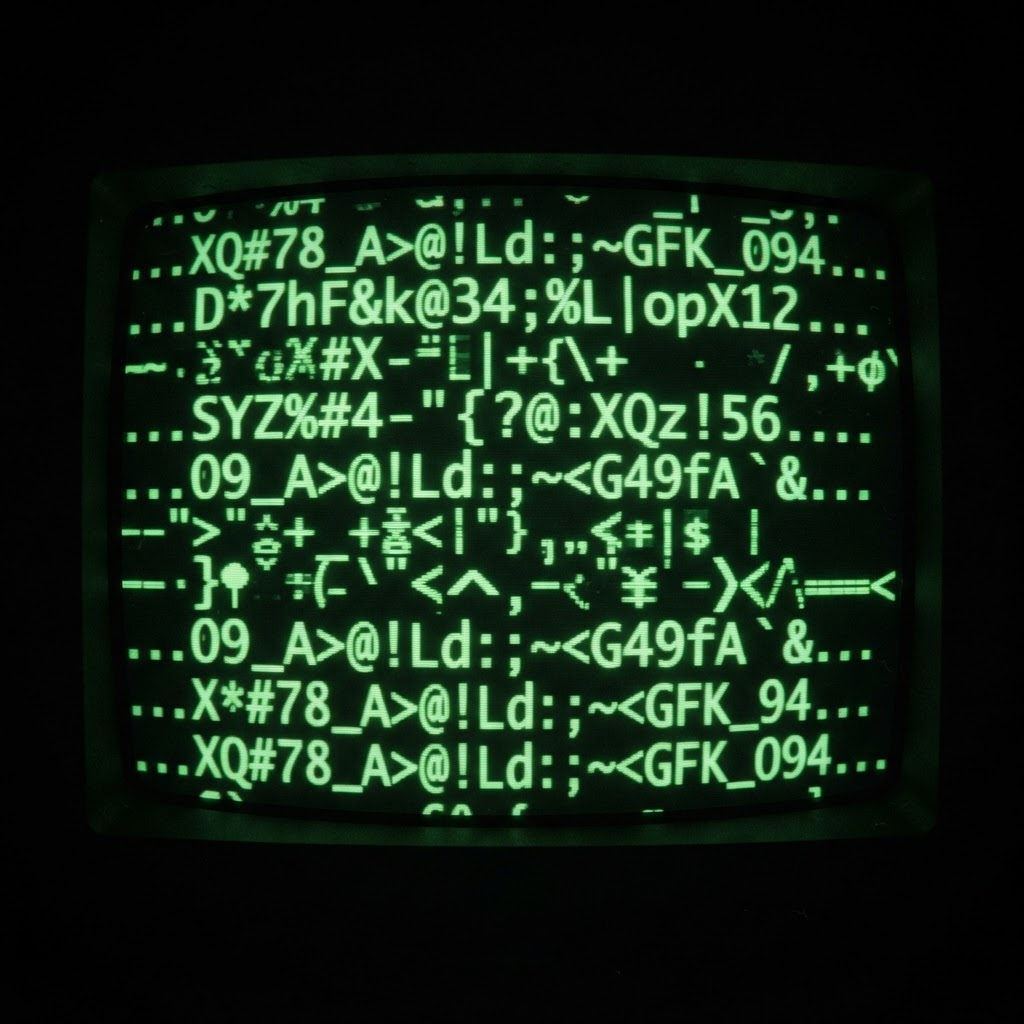
PlatPhormNews origin
I wanted my own news feed. #
- ▸ Hacker News.
- ▸ No ads.
- ▸ Full mobile screen.
- ▸ Readable, fast, dense, a little LCARS — but not a theme park.
platphormnews.com #
● live
platphormnews.com
Open platphormnews.com (opens in a new tab) ↗ Copy link
Load embed
> AI did not make judgment less important. It made some implementation less expensive. The bottleneck moved from implementation toward judgment.

Readability and accessibility
Assumption debt #
- ▸ Readable is not just a theme toggle.
- ▸ Accessibility is the reduction of required guesswork.
- ▸ Good systems radiate the information needed to use them safely — fire hydrants, transit, street signage. No manual.
- ▸ I was not building for everyone perfectly. I was learning to stop building only for myself.
Internationalization philosophy
English is an invisible dependency. #
This network is not fully internationalized. That is exactly the point: the constraint is visible now instead of discovered later.
- ▸ Internationalization became a design constraint — not a claim that everything was fully internationalized.
- ▸ Language, locale, layout, and meaning become expensive when they remain invisible assumptions.
Smaller surfaces taught more than giant prompts. #
Dictionary #
● live
dictionary.platphormnews.com
Living glossary for terms used by Michael, LLMs, and community contributions. Humans get shared vernacular. Agents get context before inventing it.
Open Dictionary (opens in a new tab) ↗ Copy link
Load embed
Reader #
● live
reader.platphormnews.com
Singleton translation component: hover or touch text to translate. One job. Easier to maintain than a giant prompt. Demos use synthetic content only.
Open Reader (opens in a new tab) ↗ Copy link
Load embed
Fortune Fog #
● live
fortune.platphormnews.com
Years of quotes, goals, principles, borrowed lines, and random writing turned into a playful interface. Useless enough to be useful.
Open Fortune Fog (opens in a new tab) ↗ Copy link
Load embed
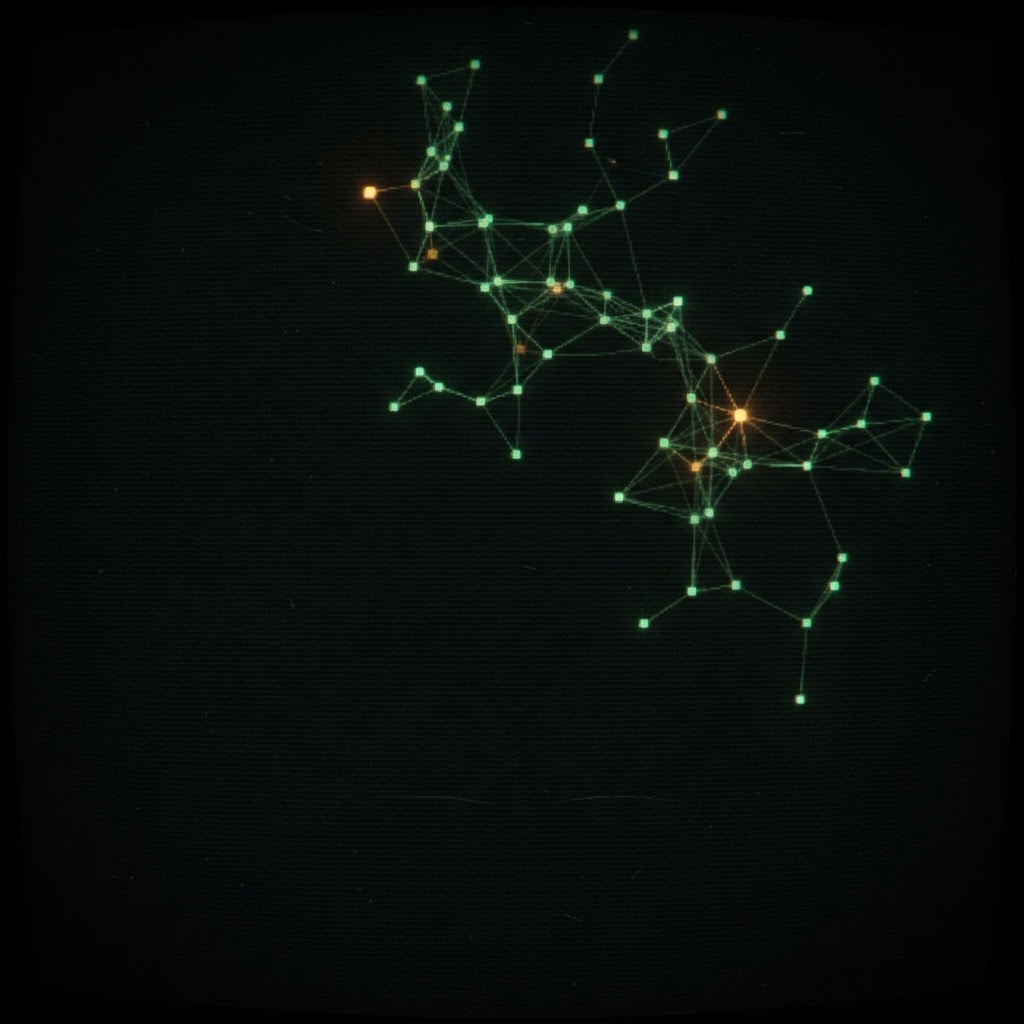
One system, three audiences
Human. Machine. Evidence. #
Human — network graph #
● live
platphormnews.com/network/graph
Open Human — network graph (opens in a new tab) ↗ Copy link
Load embed
Human — base #
● live
base.platphormnews.com
Open Human — base (opens in a new tab) ↗ Copy link
Load embed
Machine — graph API #
● live
platphormnews.com/api/network/graph
Open Machine — graph API (opens in a new tab) ↗ Copy link
Machine — RSS #
● live
platphormnews.com/rss.xml
Open Machine — RSS (opens in a new tab) ↗ Copy link
Evidence — trace #
↻ replay
trace.platphormnews.com/traces/3066b1e21b638648b82f3109affaad26
Open Evidence — trace (opens in a new tab) ↗ Copy link
Load embed
> A human should not have to read JSON to understand the graph. A machine should not have to scrape a visual UI to reason over it. An operator should not have to reconstruct an unattended workflow from vibes.
Privacy vs. operational telemetry
I am not trying to learn who you are. I am trying to learn what the system did. #
- ▸ Public reader surfaces: no ads, no behavioral ad profile, no cookies required just to serve a page.
- ▸ Workflow telemetry: operational evidence for distributed, unattended, agentic workflow experiments.

Machine affordances
Machines need affordances too. #
Do not make every agent carry a 40-page onboarding prompt. Let the system explain itself.
- ▸ What are you?
- ▸ What can you do?
- ▸ What do you know?
- ▸ What do you accept?
- ▸ What may you change?
- ▸ Where is the evidence?
Bounded autonomy
The agent does not need the whole Internet. #
It needs enough local context to solve the problem.
- 01 Trigger / intent
- 02 Context envelope
- 03 Discover approved capabilities
- 04 Reason within policy
- 05 Act through infrastructure
- 06 Receipts + trace
- 07 Human / next system
A concrete run
One file, seven decisions. #
The agent chooses among permitted capabilities. It does not redefine the guardrails.
- 01 File arrives.
- 02 Intent says it may be JSON.
- 03 Validate JSON through json.platphormnews.com.
- 04 Dry-run contract through spec.platphormnews.com.
- 05 Test safely through sandbox.platphormnews.com.
- 06 If it is a useful OpenAPI/MCP spec, choose destination: docs, files, GitHub, artifact registry.
- 07 Preserve receipt and trace.
json.platphormnews.com #
● live
json.platphormnews.com
JSON Tree + Schema Registry. Validate against public PlatPhorm schema contracts.
Open json.platphormnews.com (opens in a new tab) ↗ Copy link
spec.platphormnews.com #
● live
spec.platphormnews.com
Spec Workbench: validate contracts before tools run. OpenAPI, AsyncAPI, MCP, webhooks.
Open spec.platphormnews.com (opens in a new tab) ↗ Copy link
sandbox.platphormnews.com #
● live
sandbox.platphormnews.com
Break the workflow here, not in production. Bounded execution with trace-linked evidence.
Open sandbox.platphormnews.com (opens in a new tab) ↗ Copy link
Agency inside governance
Guardrails around the reasoning layer #
Guardrails #
- − WAF
- − TLS
- − Transport fingerprints
- − Load balancing
- − IAM
- − Data routing / NiFi
- − DLP
- − Storage controls
- − Policy
- − Cost limits
Reasoning layer #
- + Discover
- + Choose
- + Compile
- + Summarize
- + Request approval
- + Produce artifact
Operating model
The operating model #
Not anti-human. Not anti-tool. Big feature-rich tools still matter. The point is to skip repetitive preparation and move humans toward judgment.
> Machines assemble context. Humans exercise judgment. Infrastructure enforces policy. Evidence keeps everyone honest.

DFIR context assembly
Compress the distance to judgment. #
Old loop #
- − Human finds data
- − Human exports data
- − Human normalizes timestamps
- − Human creates timeline
- − Human joins endpoint, identity, proxy, firewall
- − Human copies into Excel
- − Human discovers attacker pivoted into an inaccessible zone
- − Human requests access
- − Human goes back and repeats
Improved loop #
- + Intent
- + Trusted context
- + Agent discovers approved capabilities
- + Fetch / validate / transform / compile
- + Evidence-backed artifact
- + Human review
- + Update workflow / eval / policy
We built systems faster than we taught them to explain themselves. #
Not every fact. The facts required to make decisions later.
Inventory says #
- − Package exists
- − Service deployed
- − Policy claims disabled
Evidence asks #
- + Was it built?
- + Enabled?
- + Reachable?
- + Executed?
- + Did the mitigation work?
- + What changed last night?
Trust from implementation
Trust should emerge from implementation, not reputation. #
Social proxies #
- − Logos
- − Brands
- − Search rank
- − Polish
- − Familiarity
Engineering evidence #
- + Standards
- + Contracts
- + Provenance
- + Runtime behavior
- + Receipts
Vulnerability assessment
Software should participate in its own vulnerability assessment. #
Without turning the evidence surface into the vulnerability.
- 01 Built?
- 02 Enabled?
- 03 Reachable?
- 04 Executed?
- 05 Mitigated?
OpenClaw and the public tool movement
OpenClaw proves the appetite. PlatPhorm explores the operational discipline. #
Exploration #
- − Broad tools
- − Public surfaces
- − Chat
- − Browsing
- − Optionality
- − Play
Operations #
- + Scoped capability
- + Local context
- + Policy
- + Trace context
- + Receipts
- + Repeatability

Maturity curve
Evidenced autonomy #
Evidenced autonomy is autonomous execution where consequential decisions, capability use, authority transitions, data access, side effects, degradation, and outcomes produce enough evidence to reconstruct and evaluate the run afterward.
- 01 Chat
- 02 Tools
- 03 Agents
- 04 Unattended autonomy
- 05 Bounded autonomy
- 06 Evidenced autonomy
Do not copy my network. #
- ▸ Anyone can build a pile of sites now.
- ▸ No one should casually try this pattern without evidence discipline.
- ▸ The lesson is not "copy my network."
- ▸ The lesson is "make your systems legible."
The operating model is not. #
The JavaScript stack is common. The cross-network machine-readable evidence contract is the experiment.
- ▸ Application: Next.js, React, TypeScript, Tailwind, shadcn/Radix.
- ▸ Contract: JSON, JSON Schema, OpenAPI, MCP.
- ▸ Agent/content: llms.txt, metadata, feeds, APIs, tools.
- ▸ Observability: traceparent, correlation IDs, traces/spans, logs.
- ▸ Platform: Vercel, Cloudflare, GitHub, containers where useful.
● live
Every number on this slide has a source you can curl. #
Counts captured from live surfaces. The deck header re-verifies them against the network on load.
The recurring sidebar component alone is duplicated 55 times and imported 5,698 times across the network. That is a shared dialect, not an accident.
PlatPhorm Capability Catalog #
● live
catalog.platphormnews.com
A schema-validated reuse map: repositories, capabilities, components, source evidence, risk signals, best implementation candidates. 0 validation failures across 207 manifests.
Open PlatPhorm Capability Catalog (opens in a new tab) ↗ Copy link
Load embed
270
- Network sites
- Graph nodes
- Graph edges
- MCP tools
- Repositories
- Components
- Capability implementations
- Detected capabilities
The individual tools are not the invention. The shared contract is. #
A JSON formatter is not novel. A trace viewer is not novel. An MCP server is not novel. The experiment is what happens when radically different capabilities share an observable, testable operating model.
Career through-line
A lineage, not a resume. #
- 01 PH3AR / 2600 — play, exploration, consent, teams
- 02 Sysco — enterprise ops, critical logistics, bottlenecks
- 03 Mandiant — evidence at scale, forensics, IoCs, Windows/Linux
- 04 DevOps / Dagah / Rapid7 — tools, pipelines, mobile security, detection delivery
- 05 FoxIO + ventures — fingerprints and moonshots
- 06 Sirius / CDW — modernization, Kubernetes, observability, customers
- 07 AI / PlatPhorm — execution evidence, machine-legible workflows
Execution fingerprint
The next fingerprint is the execution. #
Not chain of thought. Chain of custody.
- ▸ Connection fingerprint: how a client speaks.
- ▸ Execution fingerprint: how a system acted.
- ▸ Trace = record.
- ▸ Fingerprint = comparable shape.
- ▸ Receipt = independent confirmation.
You are not watching a slide deck. #
A typical deck #
- − Static export, dead the moment it renders
- − Claims without receipts
- − Numbers pasted in weeks ago
- − Demo screenshots taken on a good day
- − Only humans can read it
- − When the talk ends, it evaporates
This method #
- + A live page on the network it describes
- + Every number cites a URL you can curl
- + Counts re-verified against live APIs on load
- + States labeled honestly: live, replay, screenshot
- + Machines read /api/talk/hope and llms.txt
- + The talk instruments itself — next slide
The reveal
● live
This talk is tracing itself. #
Real authenticated writes to trace.platphormnews.com. Rate-limited, presenter-initiated, public-safe payloads only.
This page holds a server-side credential for the PlatPhorm Trace Observatory. Watch: the deck opens a real trace on the production evidence system, marks spans as we move, and completes the run — then we open the waterfall on the same infrastructure you just saw.
Live trace console #
no run
▸ Open a live trace on the Observatory
The credential lives server-side only. Fixed action set, allowlisted span names, rate limited. The contract decides — not the caller.
Receipts #
awaiting presenter input — nothing has been claimed, so nothing needs proving yet
> The presentation leaves a fingerprint. On purpose. In front of you.
Live demo — trace wall
Interrogate the run. #
Ask the run #
- ? What triggered it?
- ? What did it know?
- ? Which tools were available?
- ? Which did it choose?
- ? What touched data?
- ? What degraded?
- ? What changed?
- ? Who can confirm it?
Story Format Relay — 10-step demonstration #
↻ replay
trace.platphormnews.com/traces/3066b1e21b638648b82f3109affaad26
Prebuilt uncertainty. The investigation is live; the run is preserved. 16 spans, 12 services, 14 tools, 0 errors, model MichaelAI.
Open Story Format Relay — 10-step demonstration (opens in a new tab) ↗ Copy link
Load embed
Readiness check #
Run check
Define weird
Weirdness is disagreement, missing receipt, unusual path, or evidence gap. #
Four concepts #
- − Contract — what was allowed or expected
- − Trace — what path appeared to execute
- − Receipt — what another system can confirm
- − Fingerprint — what comparable shape the run had
Classifications #
- + Expected
- + Allowed but unusual
- + Violation
- + Unknown
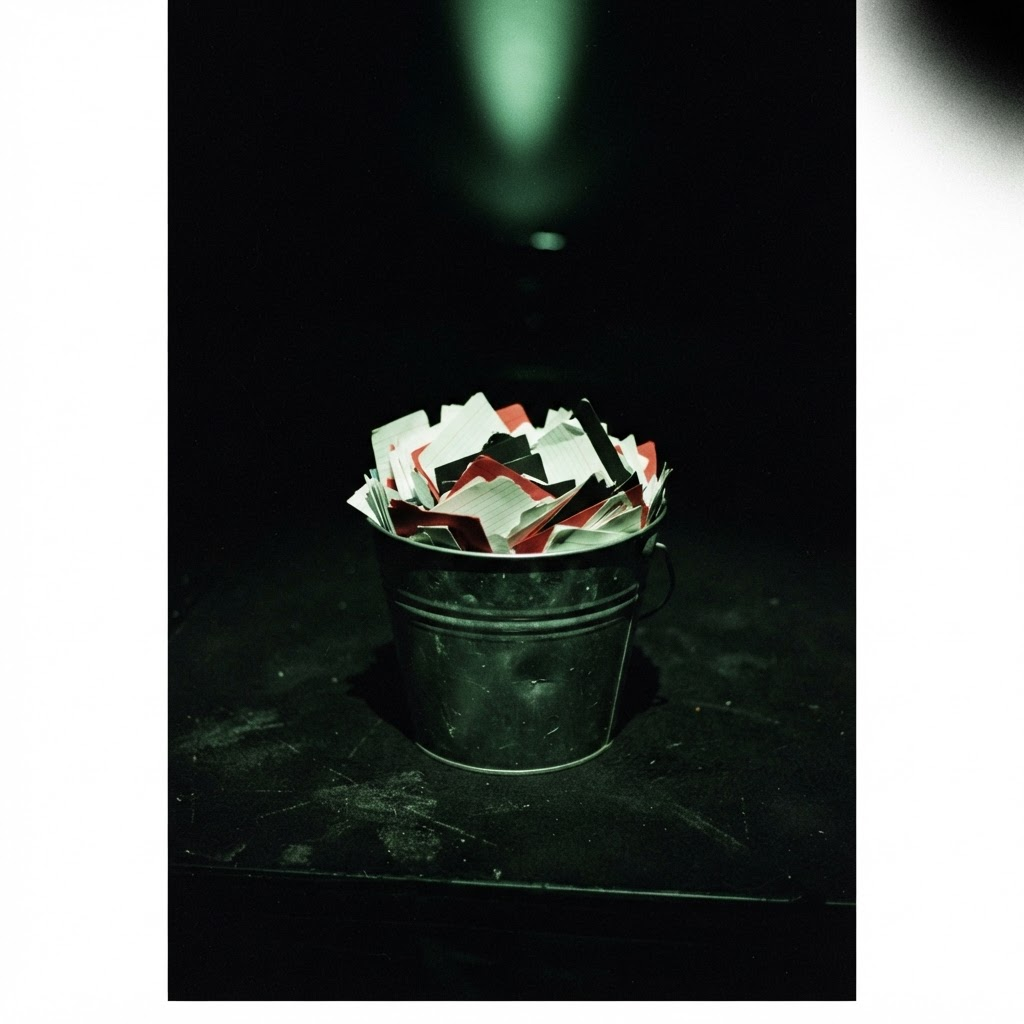
Question bucket
◇ demo-only
The question bucket is the unauthenticated ingestion endpoint. #
Cards live in this browser only. Nothing is transmitted anywhere.
- ▸ White cards: questions.
- ▸ Red cards: weird behavior.
- ▸ Black cards: synthetic test traffic planted by Michael.
red — Weird behavior
black — Synthetic traffic
Card text
Drop in bucket
demo-only — cards live in this browser's memory. Nothing is transmitted.
Callback
Keep the receipts. #
> The phone could ring. It could not quietly call nine other systems and tell me everything went fine. Our agents can.
01 /31
Start — Cold open
↑ Prev
Next ↓
Source Attribution #
- Original source: Seeing Inside the Mind of AI — The Next Fingerprint Is the Execution ↗
- Source domain: decks.platphormnews.com
- Source platform: platform_post
- Author/creator: Michael Barbine
- Clipped by OpenDocs: 2026-08-12T01:37:26.882Z
- License/terms: review the original source terms before republishing beyond fair-use excerpts.
Canonical source
Original source
Source domain
decks.platphormnews.com
Author
Michael Barbine
Publisher
decks.platphormnews.com
License / usage
Unknown. Review the original source terms before republishing beyond public-safe excerpts.
Overall quality score, confidence 82%
214 sentences, 65 headings, 174 list items.
Related Documentation
Presidente da Colômbia pede suspensão de tarifas dos EUA após terremot
Abelardo de la Espriella solicitou a Trump uma pausa nas medidas comerciais para reduzir pressão sobre empresas afetadas pelo desastre O que você precisa.
1 min read
Fluminense vira contra o Palmeiras no Maracanã em jogo pelo Brasileirã
Equipe carioca marcou aos 46 minutos do segundo tempo no Maracanã e reduziu impacto da derrota sobre a disputa pela liderança O que você precisa saber.
1 min read
Fim à lâmpada branca? Geração Z quer levar luz baixa até aos escritóri
Funcionários mais jovens reclamam de luzes fortes em escritórios, enquanto empresas tentam equilibrar conforto, produtividade e preferências individuais O.
1 min read
Eleições 2026: quem são os candidatos ao governo de Minas Gerais?
Em Minas Gerais, 11 nomes foram oficializados para disputar o governo estadual durante o período das convenções partidárias O que você precisa saber Em.
1 min read
Gmail https://mail.google.com/mail/&ogbl Images https://www.google.com/imghp?hl=en&ogbl https://www.google.com/intl/en/about/products Sign in https://accounts.google.com/ServiceLogin?hl=en&passive=true&continue=https://w
1 min read